
You just got new keys made, moved into a new place, or had a scare — a break-in, a lost key, a roommate who moved out and never gave the spare back. Now you’re standing at your front door wondering: do I need to rekey these locks, or replace them entirely?
It’s one of the most common questions we get at Liberty Locksmiths, and the honest answer is: it depends on what actually happened. Here’s how to think it through, so you don’t overpay for hardware you don’t need — or underprotect a door that really does need new locks.
What rekeying actually does
Rekeying doesn’t touch the outside of your lock at all. A locksmith opens the cylinder, swaps out the small internal pins, and cuts you a new set of keys that match the new pin configuration. Every key that used to open that lock — old copies, a landlord’s spare, whatever’s floating around — stops working the moment we’re done. Your existing hardware, the deadbolt, the strike plate, the finish on your door — none of that changes.
It’s fast (usually 15–20 minutes per lock), affordable, and it’s often all you need.
What replacement means
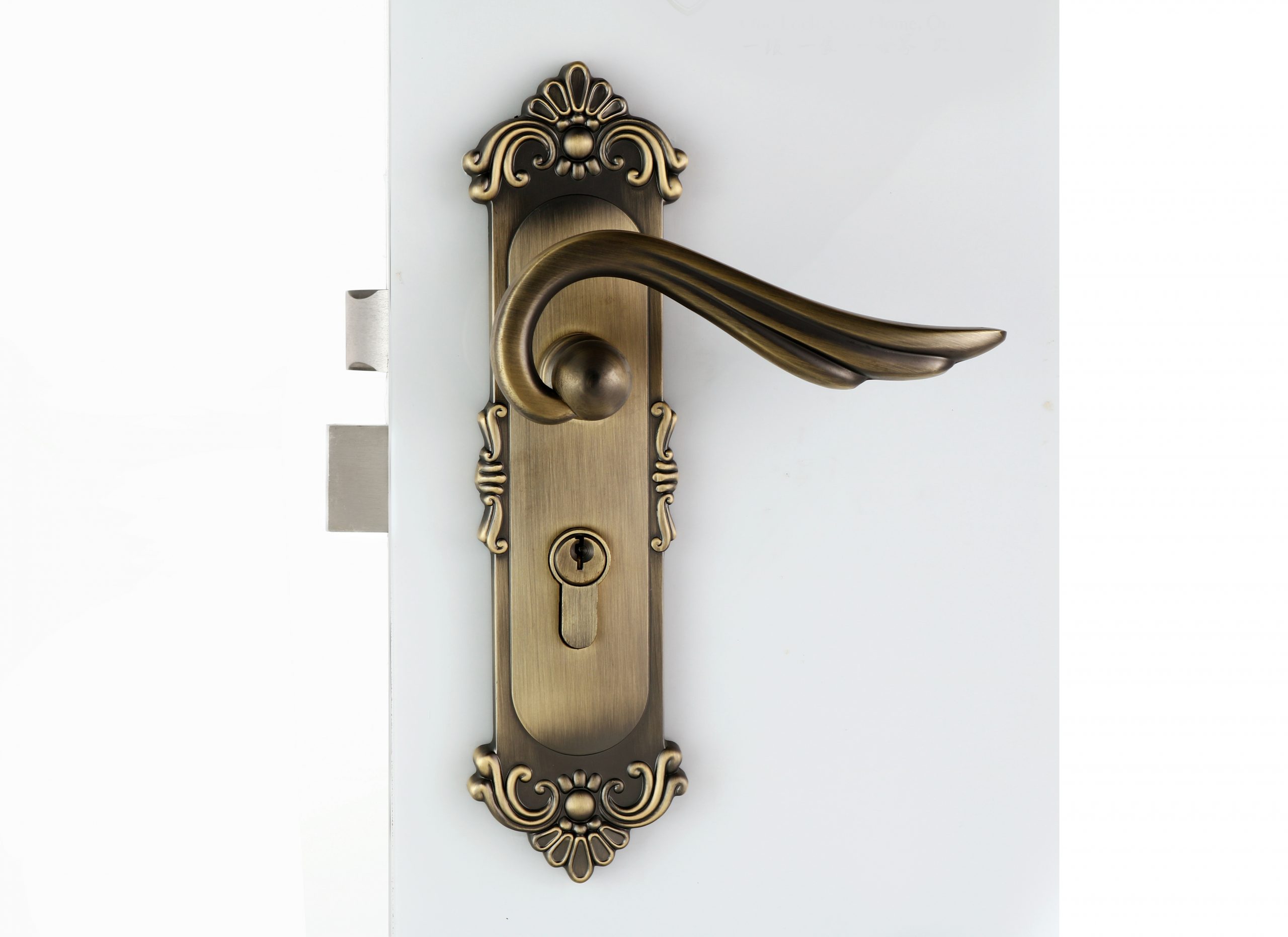
Replacing a lock means pulling the entire unit — cylinder, housing, sometimes the strike plate too — and installing new hardware from the ground up. You’d do this when the lock itself is the problem: it’s damaged, it’s an older or lower-security grade, it doesn’t match your other doors, or you’re upgrading to something like a keyless or smart lock that the old hardware simply can’t become.
Replacement costs more than rekeying and takes a bit longer, but it’s the right call when rekeying wouldn’t actually solve the problem.
Cost and time, side by side
Rekeying a standard residential lock typically runs a fraction of what full replacement costs, and most homes only need a handful of locks touched — front door, back door, maybe a garage entry — so the whole job is usually done in under an hour. Replacement involves the cost of new hardware on top of labor, and takes longer per door since we’re installing new components rather than just swapping pins. If you’re pricing this out, ask for both options quoted upfront — a good locksmith should tell you which one you actually need, not just upsell the bigger job.
When rekeying is enough
In most everyday situations, rekeying covers it:
- You just moved in. You have no idea how many copies of the old keys are out there — the last tenant, their family, a dog walker, a real estate agent. Rekeying instantly makes every one of those keys useless.
- You lost a key and want peace of mind without waiting to see if it turns up somewhere it shouldn’t.
- A roommate, tenant, or contractor moved on and either didn’t return a key or you’re not fully sure they did.
- Your existing locks are in good shape. If the hardware itself is solid, undamaged, and a security grade you’re happy with, there’s no reason to replace it just to control who has access.
When you actually need replacement
Rekeying can’t fix a lock that’s the problem itself. Go with replacement when:
- The hardware is damaged — a cracked cylinder, a deadbolt that sticks, visible wear that makes it easier to pick or force.
- You’re upgrading security grade. If you want a restricted keyway or a higher-security cylinder that’s harder to duplicate or bump, that’s new hardware, not a rekey.
- You want keyless or smart locks. Rekeying only works within the mechanical pin system a lock already has — it can’t turn a standard deadbolt into a keypad or app-controlled lock.
- You’re trying to match hardware across doors for a consistent look or a single-key system, and your current locks don’t fit that plan.
A quick decision checklist
Ask yourself these, in order:
- Is the lock itself damaged, low-security, or something I want to upgrade? → Replace.
- Do I just need to make sure old keys stop working? → Rekey.
- Am I moving into a place with locks I don’t know the history of? → Rekey, at minimum — and consider replacement if you want a fresh security upgrade at the same time.
- Not sure? → Have a locksmith take a look. A quick inspection tells you which one actually applies.
Still not sure? Let us take a look
Most of the time, this isn’t a decision you need to make alone — and guessing wrong either costs you more than necessary or leaves a real gap in your home’s security. At Liberty Locksmiths, we’ll look at what you’ve got, tell you honestly whether rekeying covers it or replacement is worth it, and quote the job upfront before we touch anything. No subcontractors, no surprise pricing.
If you manage rental properties, ask us about rekey packages for turnover between tenants — it’s one of the most overlooked steps in getting a unit ready, and one of the cheapest ways to protect yourself as a landlord.
Ready to get your locks sorted? Contact Liberty Locksmiths today for a straightforward quote on rekeying or replacement — whichever one you actually need.